
Bariatric and Metabolic Surgery in Antalya
Op. Dr. Gökhan Ateş — General and Specialist in General Surgery. Patient information on sleeve gastrectomy, gastric bypass, mini gastric bypass, intragastric balloon and revision bariatric surgery, with individual evaluation and long-term follow-up in Antalya, Türkiye.
Bariatric surgery is not only about weight loss. It is a set of surgical options considered in selected patients to also support the management of obesity-related conditions such as Type 2 diabetes, hypertension, sleep apnea and fatty liver disease. Surgical candidacy is determined by evaluating BMI, coexisting diseases, nutritional habits, psychological readiness and operative risks together.
There is no single bariatric procedure that is suitable for every patient. The choice between sleeve gastrectomy, gastric bypass, mini gastric bypass or gastric balloon depends on BMI, obesity-related diseases, reflux history, Type 2 diabetes status, previous operations, eating patterns and endoscopy findings. The information on this website is for patient education only; the final decision should be made after medical examination and diagnostic assessment.
Main procedures considered in bariatric surgery
Sleeve Gastrectomy
Laparoscopic removal of about three quarters of the stomach to support long-term weight management in selected patients.
Roux-en-Y Gastric Bypass
Restructuring of the stomach and small intestine to influence both intake and absorption, evaluated for selected patients.
Mini / One-Anastomosis Gastric Bypass
A single-anastomosis bypass option that may be considered for selected patients.
Intragastric Balloon
An endoscopic, temporary, non-surgical option to support a structured weight management plan.
Revision Bariatric Surgery
Reassessment for patients with weight regain, insufficient weight loss or reflux after a previous bariatric operation.
Metabolic Surgery
A surgical option considered for selected patients with Type 2 diabetes and metabolic syndrome.
Nutrition and Long-Term Follow-up
Liquid, puree, soft and regular nutrition phases; protein, vitamin and mineral monitoring.
Who may be evaluated for bariatric surgery?
Based on the current ASMBS/IFSO 2022 update on indications.
- Adults with BMI ≥ 35 may be evaluated, with or without coexisting conditions
- Selected patients with BMI 30–34.9 and Type 2 diabetes or uncontrolled metabolic disease may also be evaluated
- Patients with obesity-related conditions (hypertension, sleep apnea, fatty liver) who have not achieved sustained results with non-surgical methods
- Patients with prior bariatric surgery experiencing weight regain, reflux or insufficient weight loss (revision assessment)
The final decision is made after examination, tests, endoscopy, anesthesia review and psychological / dietitian assessment. Results depend on the individual, starting weight, the chosen method and adherence to long-term follow-up.
Method selection is individual
The goal of obesity treatment is not only weight loss. Type 2 diabetes, hypertension, sleep apnea, fatty liver disease, reflux, joint problems and quality of life should be evaluated together. Therefore, the choice of procedure should not be treated as a standard package, but as an individualized medical decision.
Op. Dr. Gökhan Ateş
General & Bariatric Surgery
Medical education at Ondokuz Mayıs University Faculty of Medicine and general surgery residency at Atatürk University, Erzurum. Advanced ERCP and EUS training in Germany in 2016. Currently practicing at Antalya Medicalpark Hospital with a focus on bariatric, metabolic and gastrointestinal surgery.
Detailed profile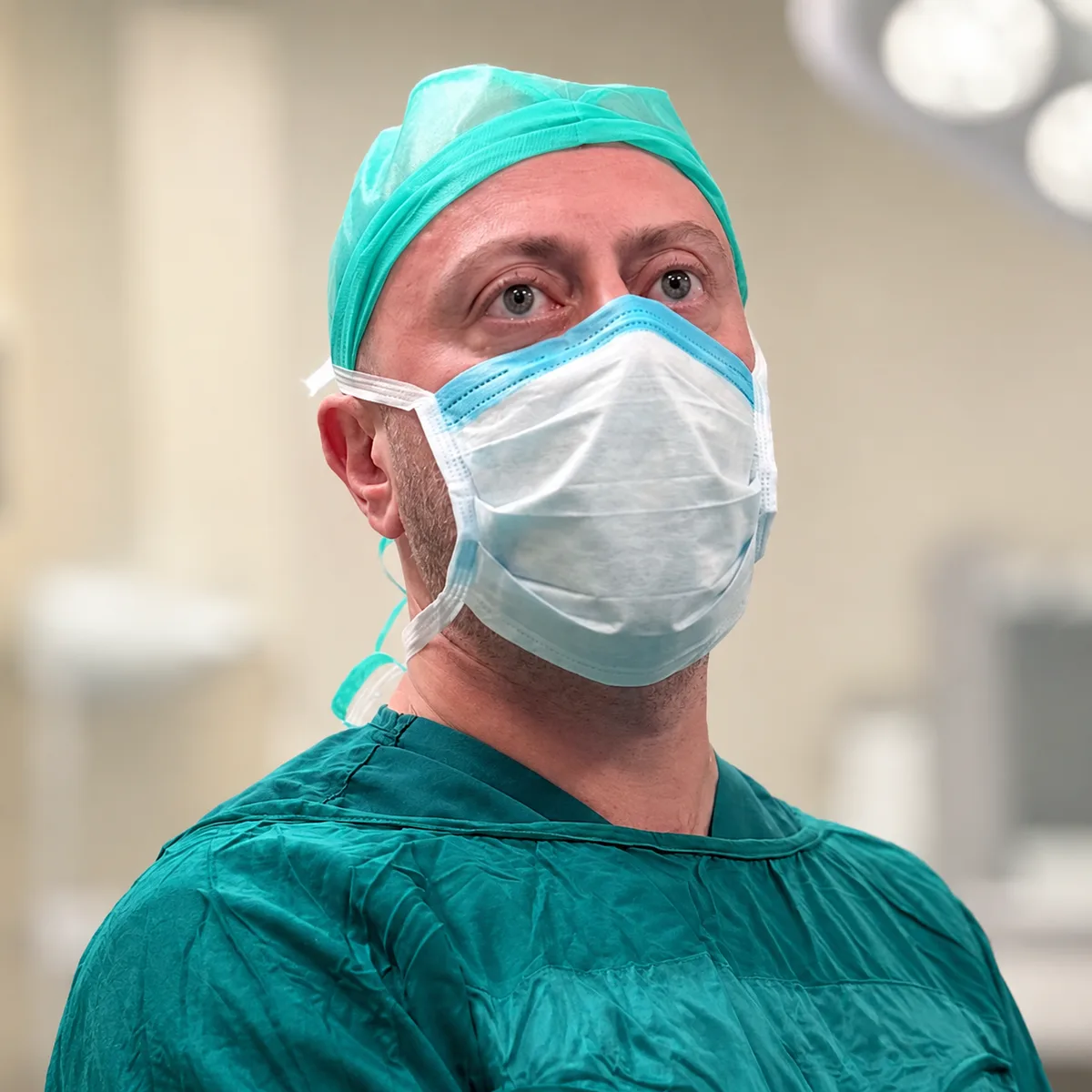
Why long-term follow-up matters
Bariatric surgery does not end with the operation. Regular follow-up is important to support healthy weight loss, prevent vitamin and mineral deficiencies, reduce muscle loss, improve eating habits and detect possible weight regain early.
Protein and fluids
Daily protein targets are followed to support tissue healing and preserve lean mass.
Vitamin and mineral monitoring
B12, iron, vitamin D, calcium and other parameters are checked at regular intervals.
Scheduled follow-up
Visits at month 1, 3, 6 and 12, followed by yearly long-term check-ups.
Physical activity
Gradual, sustainable daily activity is encouraged.
Psychological support
Support for eating behaviour and adjustment is available when needed.
Sustainable nutrition
A long-term nutrition plan is developed with a dietitian.
A safe process for patients travelling from abroad
For international patients, surgery planning should not be based only on travel dates. Pre-assessment, existing medical conditions, current medications, flight duration, postoperative follow-up options and safe discharge timing should be evaluated together.
- 01
Initial consultation
Medical history, weight history and assessment of coexisting conditions.
- 02
Diagnostic work-up
Blood tests, endoscopy, imaging and anesthesia assessment.
- 03
Method selection
Discussion of suitable options after multidisciplinary evaluation.
- 04
Surgery and follow-up
Laparoscopic surgery, then nutrition, check-ups and long-term follow-up.
Short patient-information videos on bariatric surgery
These videos are for general information only; personal diagnosis, treatment and surgical decisions require a physician's assessment. Videos load from YouTube only after you press play.
Outcomes of any surgical or interventional procedure may vary from person to person. Please obtain detailed advice from your physician before the procedure.
Patient information content
Site editor: atesdr@yahoo.com — Please do not send test results, reports, photographs or sensitive health data to this address.
Contact us for a preliminary assessment
Share your symptoms and existing test results to learn more about the process. Every treatment plan is individual.